
How Microfiber Cloths Support Your Business’s Green Initiatives
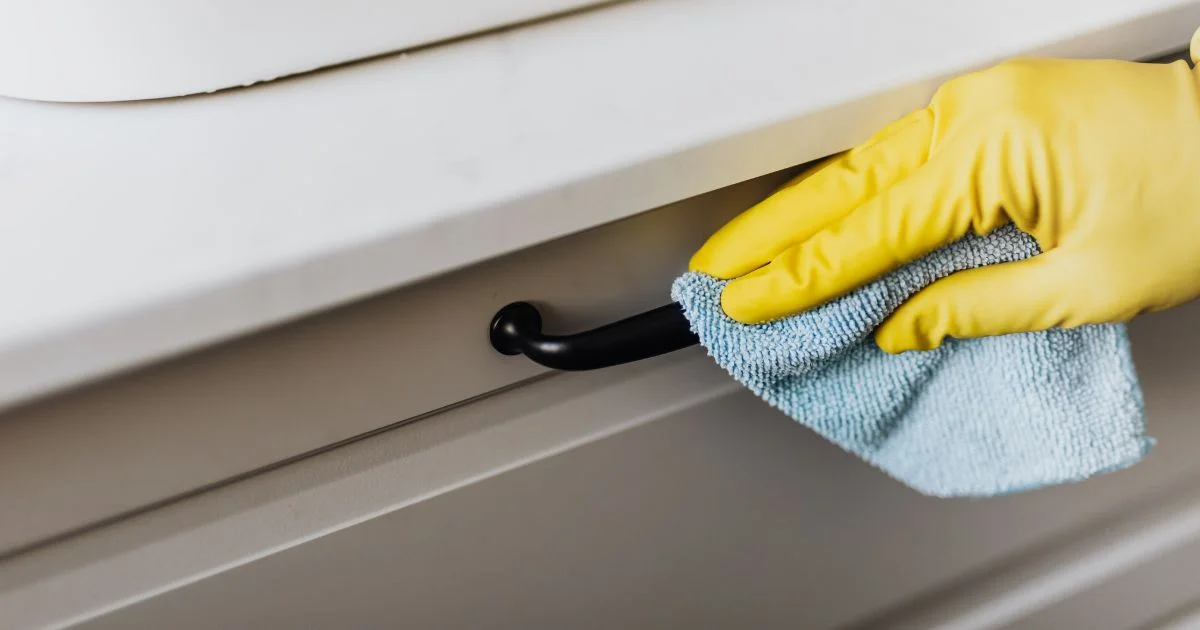
Most businesses trying to reduce their environmental footprint focus on recycling programs or LED bulbs. Those help, but they don't address what happens every time someone cleans a countertop, mirror, or equipment surface. That's where the actual waste lives: disposable rags, bottles of chemical cleaner, and the water it takes to rinse everything down.
A property manager running three buildings can go through 500 paper towel rolls in a month without noticing. A medical clinic might cycle through two cases of disposable wipes each week just to maintain exam rooms between patients.
Microfiber cloths cut that cycle without changing how cleaning gets done, and the waste reduction shows up fast enough that purchasing managers notice within a quarter. They trap dirt and bacteria mechanically instead of chemically, hold seven times their weight in liquid, and wash up to 500 times before wearing out.
One cloth replaces hundreds of disposables over its working life, and the chemical reduction alone shifts the numbers in ways that make green initiatives look less like gestures and more like operational improvements that actually save money.
What Microfiber Actually Does Differently
Cotton and paper towels push dirt around. Microfiber traps it. The fibres are split during manufacturing into wedge shapes that create surface area (about 200,000 fibres per square inch). Those wedges grab particles mechanically and hold them until the cloth gets rinsed. That's not marketing language. It's observable: wipe a dusty surface with cotton, then wipe the same surface with microfiber. The cotton leaves a film. The microfiber pulls it clean.
That mechanical action is why microfiber works with just water for most jobs. The fibres do what chemicals used to do: break the bond between dirt and surface, lift it, hold it. Glass, mirrors, stainless steel, and countertops get cleaned without spray. For stuck-on residue, a small amount of cleaner still works, but the volume drops dramatically. Microfiber reduces detergent use by up to 90% compared to cotton rags in the same applications.
The bacteria capture rate matters more in healthcare and food service settings where infection prevention standards dictate cleaning protocols. Microfiber traps 90% more bacteria than cotton rags, again mechanically rather than chemically. That containment happens in the cloth fibres, not through chemical disinfectants spreading bacteria around before killing it.
The split fibres create positive and negative charges as they move across surfaces. Dust, dirt, and bacteria carry charges too, and the mechanical friction pulls them into the cloth structure where they stay until the cloth gets rinsed.
Cotton smooths over particles without grabbing them. Paper towels absorb liquid but leave solids behind. Microfiber does both jobs at once, which is why a damp microfiber cloth on a mirror leaves no streaks while a paper towel with glass cleaner usually does.
The Disposable Problem Microfiber Solves
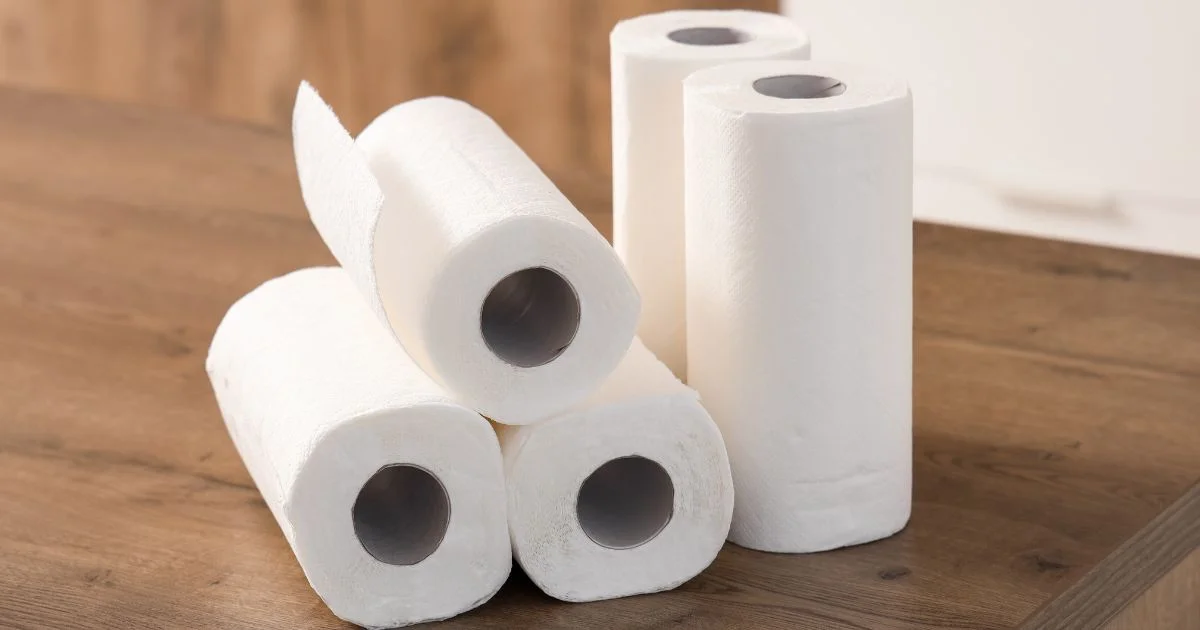
A single roll of paper towels doesn't feel like much waste. A case of them every two weeks adds up to 26 cases annually (312 rolls, assuming 12 per case). That's roughly 125 pounds of paper headed to landfill from one facility that's just keeping things reasonably clean.
Cotton shop rags fare slightly better if they're being laundered, but most businesses don't launder them professionally. They use them until they're too stained or worn to be useful, then toss them. Lifespan averages 10 to 15 washes before they stop holding up. At that replacement rate, you're cycling through hundreds of rags per year in a moderately active facility.
Microfiber lasts 500 washes. That's not a theoretical number. It's what the fibres are rated for before they degrade to the point where performance drops. In practice, some cloths go longer depending on what they're cleaning. Even at 400 washes, one microfiber cloth is replacing 25 to 40 cotton rags over its working life.
The waste reduction isn't abstract. It's fewer garbage bags, fewer supply orders, and fewer disposal fees. For property managers running multiple buildings or healthcare facilities with infection control protocols, the volume difference is visible within weeks of switching.
Where the Chemical Reduction Shows Up First
Facilities don't usually track chemical usage closely until someone starts asking questions, either through a sustainability audit or because the purchasing manager notices the cleaning supply budget creeping up. Microfiber makes that number drop fast enough that it's one of the first changes people notice after switching.
The reason: most cleaning jobs don't need chemicals at all when the cloth is doing the mechanical work. Water and friction handle dust, fingerprints, light grime, and surface bacteria. That's 70-80% of what's cleaned in a typical commercial space on a given day. The remaining 20% (food residue, stuck-on material) still needs some cleaner, but not nearly as much.
A manufacturing floor in Cambridge switched from cotton rags and spray cleaner to microfiber and water for equipment wipedowns across the facility. Chemical usage for that task dropped by 85% in the first quarter. The equipment stayed just as clean. The labour time didn't change. The only variable was the tool.
That reduction carries through to what goes down the drain, too. Less chemical means less contamination in wastewater, fewer environmental concerns around disposal, and, in some cases, simpler compliance with municipal discharge regulations for industrial facilities.
How Microfiber Holds Up to Professional Use
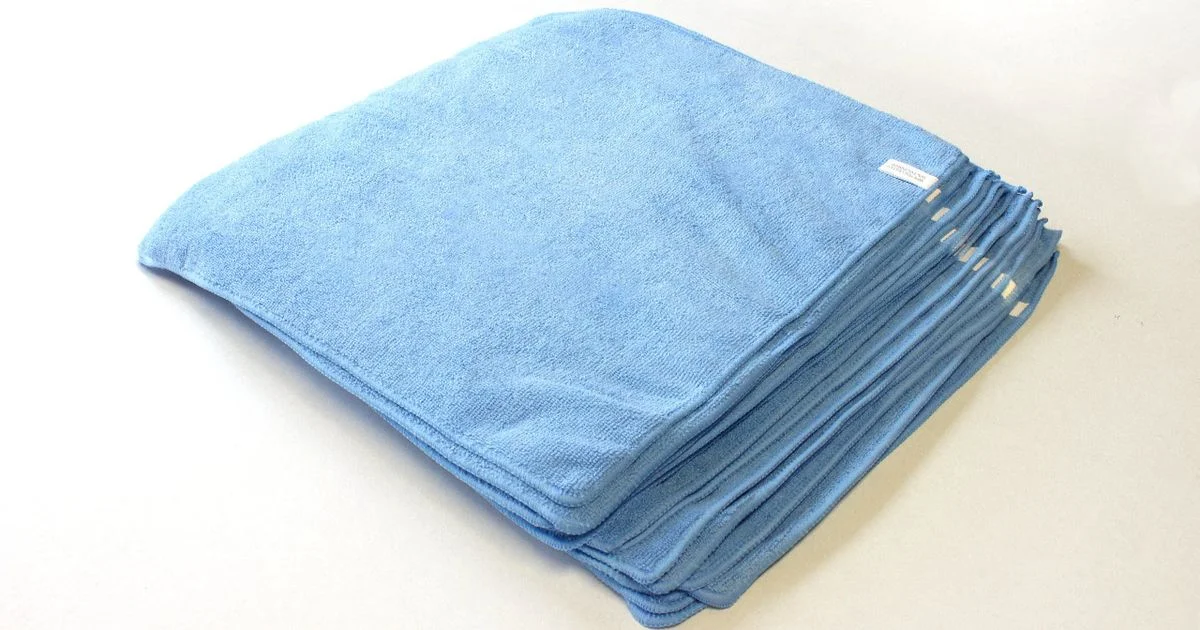
The 500-wash lifespan matters, but only if the cloths maintain performance through those cycles. The split fibres that create the trapping action can flatten out or fray if they're laundered incorrectly. Fabric softener coats the fibres and kills their grip. High heat melts the polyester slightly and reduces absorbency. Bleach weakens the material structure.
Most businesses that buy microfiber outright and try laundering in-house damage the cloths within the first 50 to 100 washes. The performance drops, replacement rates climb, and the sustainability advantage erodes. Professional laundering extends the working life because the cleaning process handles microfiber separately, uses no fabric softener, and dries at controlled temperatures.
That's where the environmental benefit either compounds or disappears. A cloth that actually lasts 500 washes eliminates hundreds of disposables. A cloth that gets ruined at wash 80 because someone used dryer sheets just became expensive cotton.
The Upfront Cost Reality
Microfiber costs more than cotton rags or paper towels on day one. A case of microfiber cloths runs $80 to $120, depending on quality and quantity. A case of cotton shop rags costs $30 to $50. Paper towels are cheaper still.
That comparison flips once you account for replacement cycles. Cotton rags last 10 to 15 washes. Microfiber lasts 500. Over a year, the facility using cotton rags will cycle through multiple cases. The facility using microfiber will still be on its first set (possibly its second if the cleaning volume is high, but nowhere near the replacement rate of cotton).
Chemical costs drop simultaneously. Fewer cleaners purchased, less storage space needed, fewer safety data sheets to manage. For operations managers who track total cost of ownership rather than just the purchase price, microfiber usually breaks even around month six and stays ahead from there.
The labour cost stays flat or drops slightly. Cleaning with water and microfiber takes the same time as cleaning with chemicals and cotton, but there's no time spent mixing solutions, no safety protocols around handling concentrated cleaners, and no protective equipment requirements for staff. The job gets simpler while the environmental impact shrinks.
When Rental Makes More Sense Than Buying
Buying microfiber outright works if the business has a way to launder it properly and replace it on schedule. Most don't. The cloths get washed wrong, wear out faster than rated, and replacement tracking falls apart. What looked like a green initiative ends up costing more and generating waste faster than expected.
Our rental program removes that variable. Clean cloths show up on schedule, professionally laundered. Dirty cloths get picked up at the same time. The business never runs low, never launders anything, and never tracks which cloth has been through how many cycles. The cost is predictable: no upfront capital expense, no laundering infrastructure, no disposal fees.
For property managers, healthcare facilities, and manufacturing floors, that model fits better than ownership. The sustainability benefit stays intact (reusable cloths, reduced chemical use, no disposable waste) but the operational burden disappears. Professional laundering ensures the 500-wash lifespan happens instead of becoming an aspirational number that reality never reaches.
Contact us to set up a microfiber program that fits your facility's cleaning schedule and traffic patterns. We'll handle the laundering and replacement, so the green impact shows up without adding complexity to your operation.